On March 3, almost 60% of Swiss voters said yes to an initiative proposing that people aged sixty-five and over should receive an extra month’s social security payment every year for the rest of their lives. As a result, starting in 2026, Switzerland’s 2,500,000 retirees will get between $1400 and $2800 more a year, whether they need it or not. To make this possible, the federal government will have to come up with at least $4.6 billion more annually.
If this money were going only to poor older people, I would applaud the generosity of my fellow Swiss and wonder why we aren’t giving more. But voters approved extra cash for all Swiss sixty-five and over, which includes many of the richest people in the world. Even if we forget about the Swiss millionaires and billionaires who will now be receiving extra pocket change, the truth is that around 70% of Swiss retirees do not need this new infusion of cash.
Switzerland is the most expensive country in the world. Life here is costly, even if you earn a Swiss salary to compensate for that. Rents have been rising over the past few years, and the cost of health insurance, which all Swiss pay privately, is soaring. Research shows that 15% of Swiss pensioners live at or below the poverty line, and you can assume that another 15% would be substantially helped by more income. That means 750,000 elderly people could use significant financial aid. But why should an ever-diminishing number of younger workers have social security removed from their paychecks so that the rest of the 1,750,000 pensioners who don’t need more money can also get it?

The proposal we voted on last week was initiated by the Swiss Federation of Trade Unions. It was pushed only by the parties on the political left, and all seven members of the Executive Council, including the two social democrats, urged voters not to support the initiative. Nevertheless, people favoring political parties across the left-right spectrum voted for it, even when their party leaders were against it. And, honestly, what’s surprising about that? If you tell people that merely by mailing in their ballots with a cross in the right place, they can get more money—if not right away, then when they are older—most of them will think, “What a great deal!”
But it isn’t a great deal. What would have been great is if our votes could have obligated the government to identify the poorest third—or even half—of Swiss pensioners through their tax returns, calculate the monthly amounts needed to bring their incomes to a reasonable level, and begin paying them the necessary sums. For many of them, this would be more than the maximum $2800 a year the new vote offers them.

Funding already exists for this exact purpose in the form of supplementary benefits, and any pensioner can apply for them. According to the Swiss Social Security Office, these benefits “provide assistance in cases where . . . pensions and income do not cover the minimum living costs. They are a legal entitlement and not a form of public or social welfare. Together with old age pensions . . . and disability insurance, the supplementary benefits are part of the social foundation of our state.”
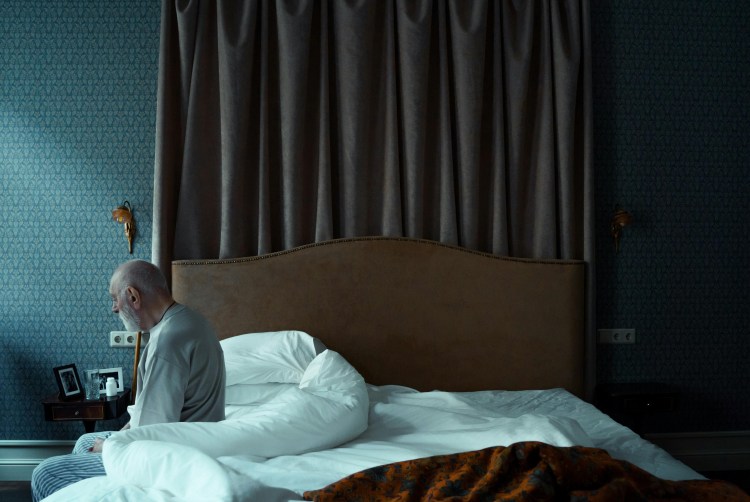
If these supplementary benefits exist and people in need are entitled to them, why are there still poor older people in Switzerland? I’ve recently asked many of my friends this question, and the answer they come up with is, “People just don’t apply for them.” This seems to be because some, especially elderly foreigners, don’t know about supplementary benefits, some are ashamed of asking for what they consider charity, and some aren’t capable of handling the application process, which takes place primarily online. This last explanation makes the most sense to me. How many poor people in their seventies, whom statistics show are likely to be undereducated, unskilled in written German, and living alone, are going to be capable of finding the correct website, absorbing the instructions it provides, filling out the necessary forms (which require details about income and expenses), and submitting them to the proper office? Particularly when you realize how many of these people don’t have computers.
If I were running Switzerland, I’d hire a large chunk of the tens of thousands of young men all over the country who have opted out of their required service in the Swiss Army and instead signed up to do thirteen months of work in hospitals, retirement homes, daycare centers, and schools. I’d send these men—we call them Zivis—out in pairs with a laptop to the addresses of all the retirees in Switzerland whose taxes indicate they struggle to make ends meet. The Zivis’ job would be to register everyone who qualifies for supplementary benefits and note down those who appear in need of additional help from healthcare or social workers.

Some older people wouldn’t be found, and others would refuse to participate or try to cheat the system. Still, repeated at regular intervals, this registration drive would ensure that most poor elderly Swiss get the money they need now and in the future. And I’m pretty sure this policy of mine would prove much cheaper than the $4.6 billion a year that the government is now searching for so that it can provide what we just voted into law: an extra annual payment for all 2.5 million Swiss pensioners.
My friends who voted for this extra pension payment might say that sometimes you have to use a sledgehammer to crack a nut if no one will do it any other way. Perhaps they’re right. But I’d like to believe that our government could find a way to provide the elderly poor with more than peanuts if they tried harder.
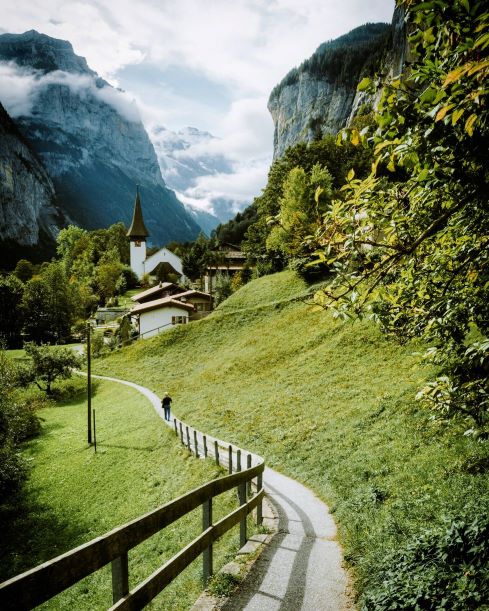
The photograph that heads this post is by Chris Czermak.
For posts about other Swiss political topics, see https://kimhaysbern.com/2023/11/21/the-small-miracle-of-switzerlands-federal-council/, https://wordpress.com/post/kimhaysbern.com/505, https://wordpress.com/post/kimhaysbern.com/668, and https://kimhaysbern.com/2021/05/26/telling-swiss-farmers-what-to-do/
 Kim Hays
I wholeheartedly agree with you on this issue, Kim. Great idea to send out the Zivis! There could also be a team helping people to sell their houses, as a lot of older people are asset rich and cash poor, but are (apparently) overwhelmed by the process/idea of moving to a smaller home.
LikeLike
That’s a very good idea, Clare. Housing for families with children is so desperately needed, so it would be helpful for them, too, to free up larger spaces. Not that I’d want any older person to feel pressured to move, but I agree with you that so often, it’s the problem of coping with all the work and decision-making involved that keeps them in their old houses.
LikeLike