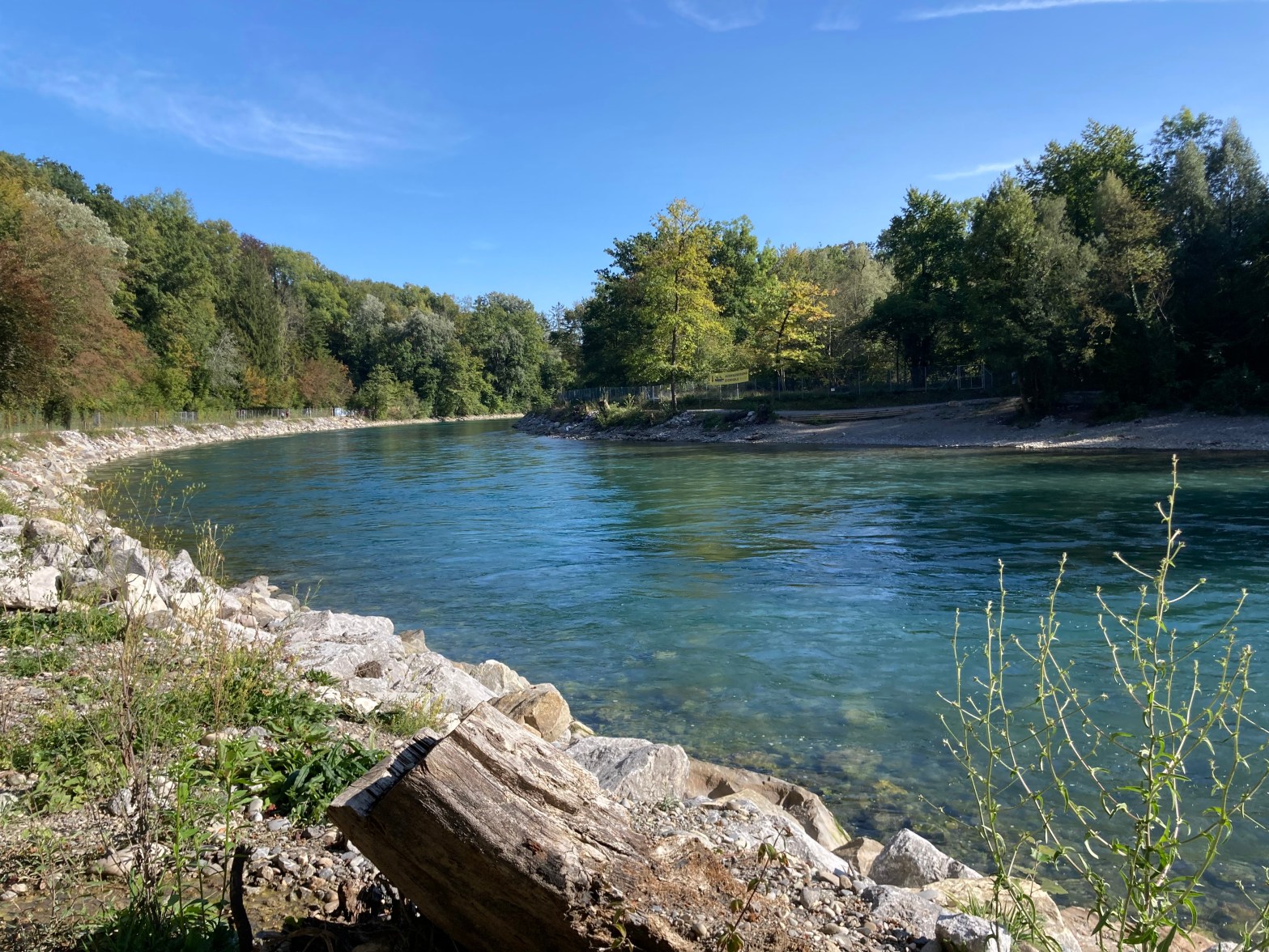
Switzerland’s equivalent of the Fourth of July is August 1; it commemorates a thirteenth-century pact of mutual defense against the Habsburg army among three future Swiss cantons. (See an earlier post about Switzerland’s Independence Day: https://wordpress.com/post/kimhaysbern.com/561). Like the Fourth of July, August 1 has traditionally involved parades and speeches, bonfires on hilltops, outdoor suppers, and public fireworks displays. It’s also an excuse for people to shoot off their own fireworks anywhere they like. Officially, private fireworks are only allowed on January 31, July 31, and August 1 from 8 p.m. to 1 a.m., but this is one Swiss law that is rarely enforced.
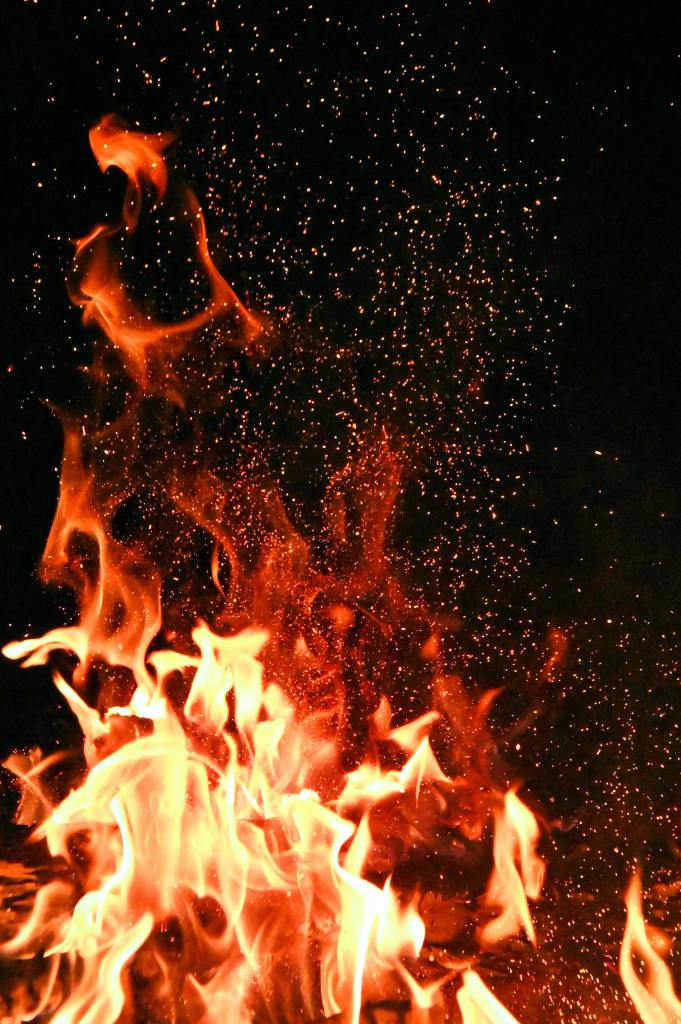
The right to light fireworks everywhere might become a thing of the past. In 2023, 137,429 signatures were gathered and submitted to parliament in support of a countrywide ban on private fireworks. The committee that collected the signatures argues that fireworks can hurt or kill people and cause forest fires. They also terrify pets, wild animals, and people who’ve been in war zones, and they pollute the environment, releasing over 300 tons of particulate matter into the Swiss air every year.
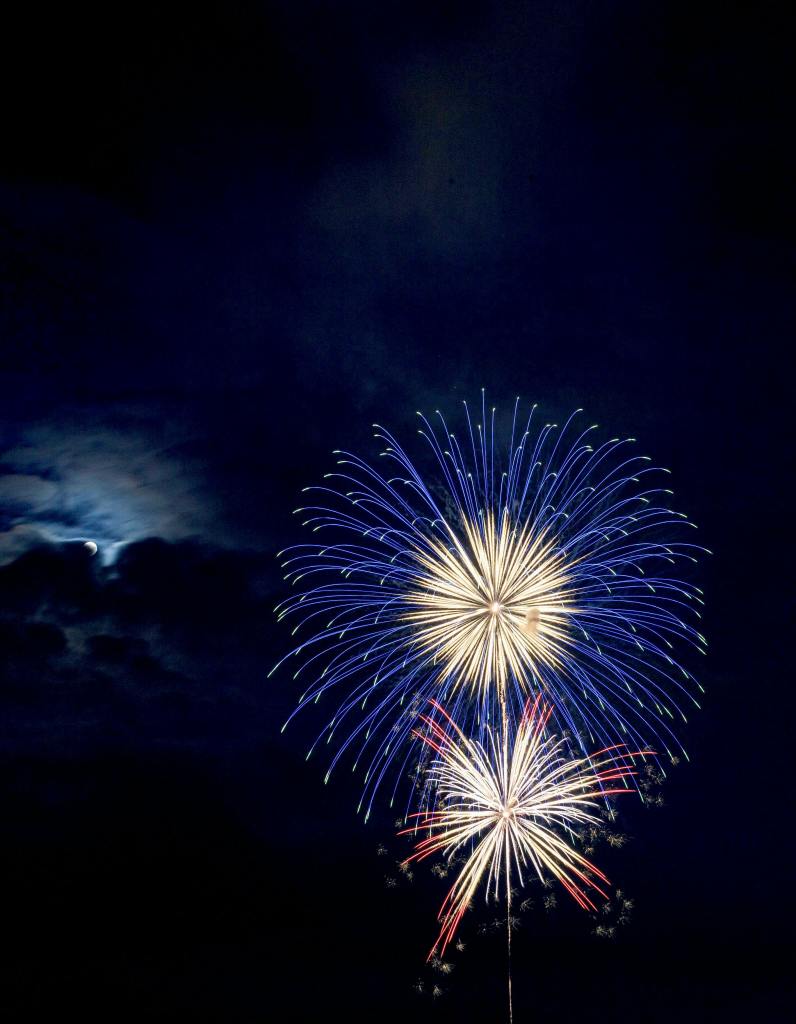
In Switzerland, if 100,000 or more eligible voters sign a petition—officially called an initiative—supporting a potential new law, the public across the country must vote on it. This process is an integral part of Swiss democracy. So sometime in the next year or two, we Swiss will vote on forbidding private fireworks. My guess is that this initiative will lose. If it does win, it will be because of pets or pollutants, not because of people injuring themselves. Switzerland has no culture of lawsuits or overprotection; it’s not what the British call “a nanny state.” Instead, the Swiss expect people to take responsibility for themselves and their mistakes.
The strength of these expectations is demonstrated by the tens of thousands of people who swim in the Aare, the river that loops around Bern (see https://kimhaysbern.com/2021/09/05/the-birth-and-death-of-the-aare/). The 180-mile river begins in the Bernese Alps, flows through the cantons of Bern, Solothurn, and Aargau, and ends when it joins the Rhine. It is a cold river with a fast current; the average summer temperature is rarely over 68° F. Yet most of my friends here in the city of Bern can scarcely wait for the Aare to reach 65° so they can jump in it and be pulled along by the current to one of the concrete staircases along the riverbanks that make it possible to get out of the torrent. Children, teenagers, and adults do this all summer long; they also jump off high footbridges into the river and ride rubber boats, wake boards, and stand-up paddleboats along it.
Over the past ten years, 51 people have drowned in the Aare. Still, I’m convinced it would never occur to a Swiss to ask voters to sign a petition to ban swimming in the river. Anyone who looks at the Aare can see how deep and fast it is, anyone who sticks a toe in it can feel how cold it is, and anyone who wades into it and feels the pull of the current should realize that they had better be a good swimmer and have a plan for getting out before they throw themselves into the water. (Well, maybe anyone except a young male between the ages of fourteen and twenty-seven.)

The Swiss are experts at being prepared. In Bern, special courses teach people how to swim safely in the Aare; the parents’ group in my neighborhood sponsored classes for members’ children. For years, the city has put up posters asking, “Aare you safe?” directing people to online information (mainly in German, despite the punny English title) about river safety.
One cliché about the Swiss is that they feel strongly about the right way to do things. That doesn’t mean they expect the government to make a rule about it, however. When it comes to swimming in the Aare, the “Swiss way” is to come prepared to do it right or be ready to take the consequences.
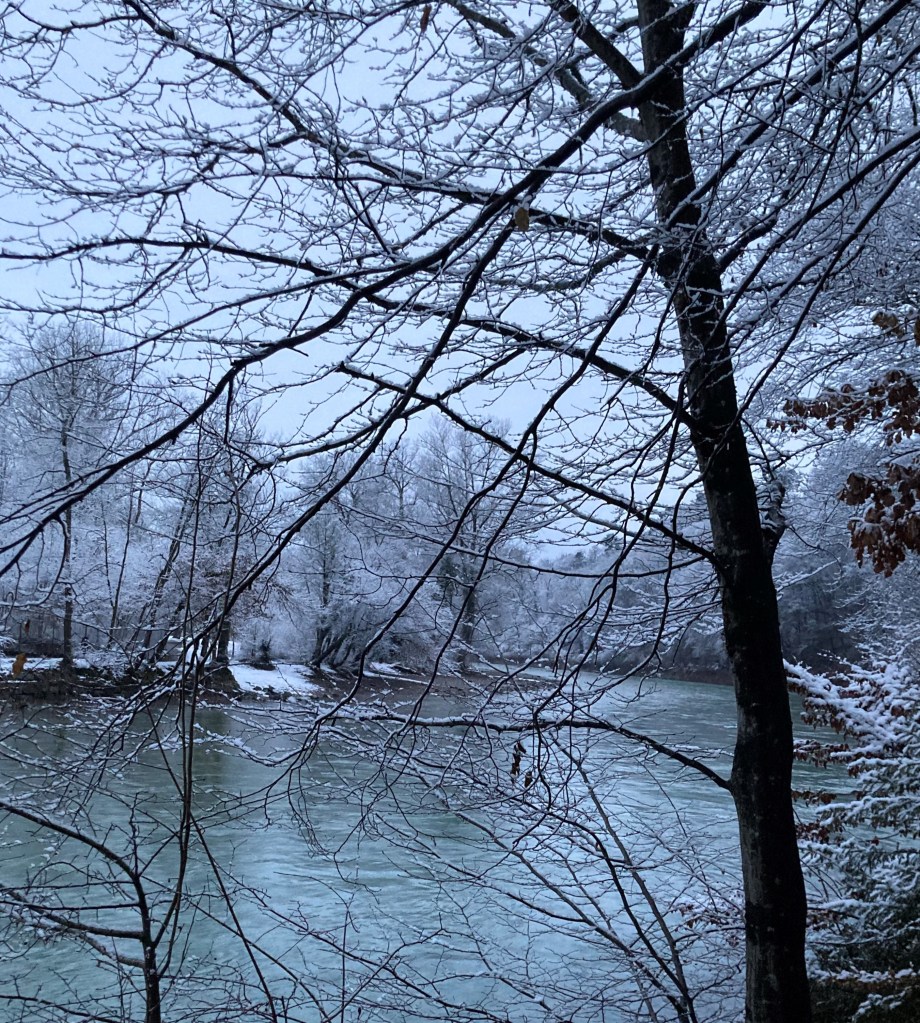
Preparation, not prohibition. Reto Abächerli, who runs the Swiss Lifesaving Society, has said, “I notice time and time again in discussions with colleagues from abroad that we [Swiss] set completely different priorities. In other countries, responsibility is often delegated to a third party or the state by installing more supervision or issuing bans. In Switzerland, we focus on prevention.”
Abächerli considers that “the drowning rate [in the Aare] . . . is low by international standards.” As far as he is concerned, the Swiss focus on prevention and commonsense works.
For a week this past July, during cool weather and heavy rainfall, the Aare was muddy brown instead of its usual green, on the verge of overflowing its banks, and filled with dangerous debris, including large tree branches. After the sun came out, the daily newspapers and the Internet warned against going into the river until it was calmer and cleaner. But no one said anything about a short-term prohibition. What would be the point? You can’t post guards on the banks of a 180-mile river. Besides, that wouldn’t be the Swiss way of doing things.
If you want to see what a perfect summer day on and in Bern’s Aare looks like, check out this a film clip by Kaspar Allenbach: https://www.youtube.com/watch?v=LF7SyQgJoZ0
The bonfire picture was taken by Adonyi Gábor; the fireworks photo by Laziii Coda, both of whom make their pictures available for free or for a small donation on the pexels.com. The photo of people swimming in the Aare in the shadow of the Federal Palace is by Bernhard Eichenberger of Boll, Switzerland. I took the two other pictures of the Aare, one in spring and one in winter.
 Kim Hays
INTERESTING! What a very different mindset!
LikeLike
I think so, too. It has really forced me to think about under what circumstances the government (local or federal) has a responsibility to protect individuals and when it should allow people to take responsibility for their own welfare.
LikeLike
A fascinating look at the Swiss psyche and Swiss laws, Kim. (BTW, I wouldn’t mind the banning of fireworks in the U.S., but know it will never happen.)
LikeLike
I’m glad you found the post interesting, Dave. As for banning fireworks, I love good public fireworks displays so much that I’d be brokenhearted never to see one again. But getting rid of the ones that make the loudest bangs makes a lot of sense. And I’ve never understood people setting them off privately–it’s seem very dangerous to me.
LikeLiked by 1 person
Interessanter Fokus auf Freiheit. Heutzutage bedeutet Freiheit, Zeit für das zu haben, was wir mögen: Hobbys, Reisen und Zeit mit der Familie.
LikeLike
Hello and sorry I somehow missed this comment of yours–but better to answer late than never. I agree that freedom can mean freedom for fun, but I believe that having freedom includes taking responsibility. For example, I’m shocked that people who have the freedom to vote don’t vote. Freedom also means that you take on the risk of making a mistake. Just think about when we finally give our small children the freedom to cross the street alone. We have to hope that they are ready for that responsibility and risk!
LikeLike