
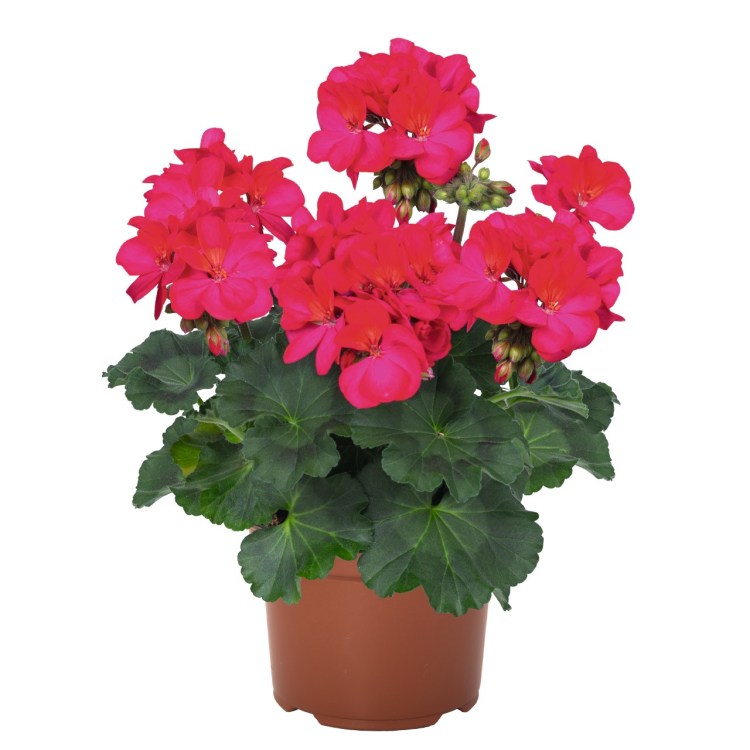
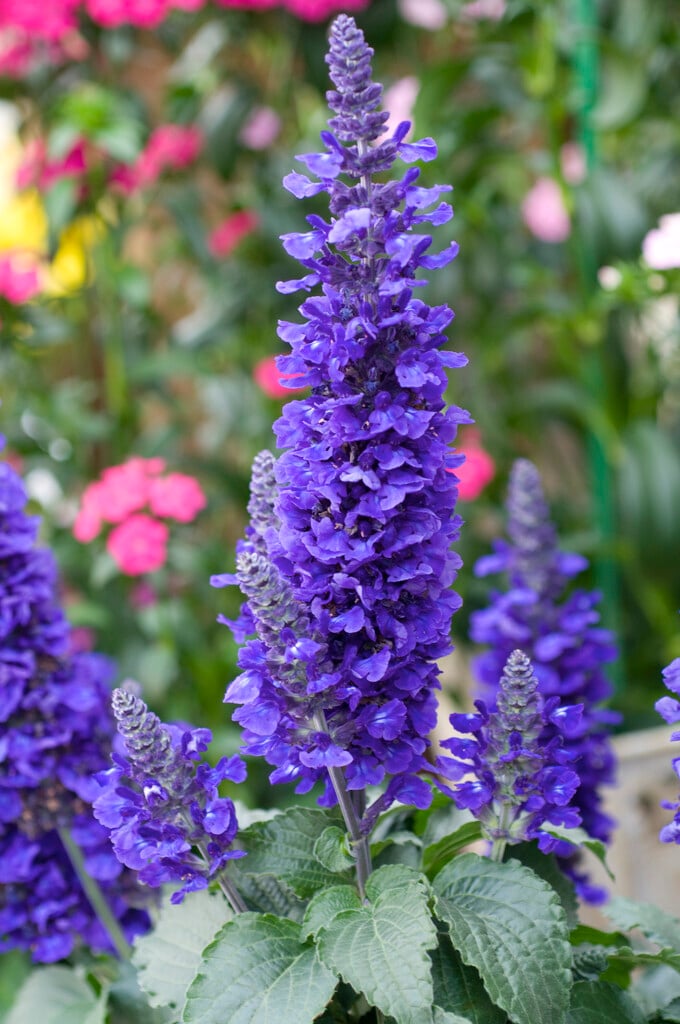
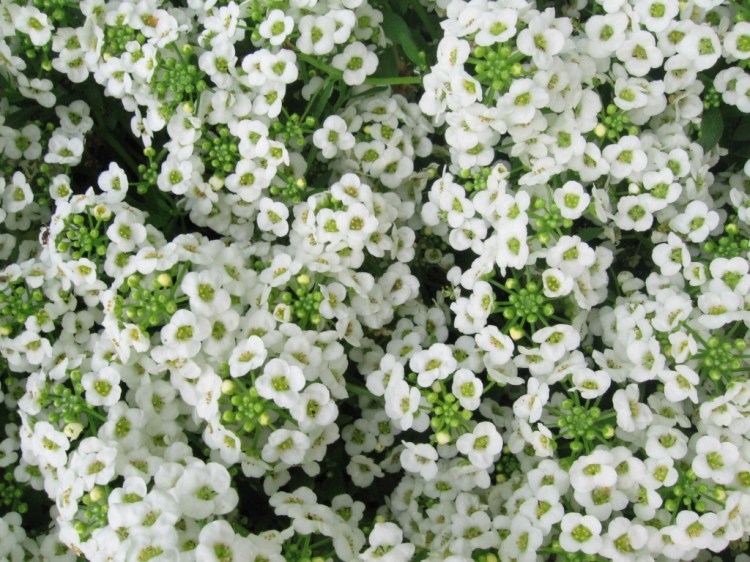
It’s October 29, but the plants in the window boxes hanging from the railings of my balcony are still bravely blooming. As fall has progressed, my twenty-two geraniums have produced steadily fewer purply-pink flowers. Only a scattering of the bright clusters still remains. The blue stalks of sage on either side of the geraniums stand tall, and the tiny white blooms of the sweet alyssum I planted between them in the spring have grown into long sheets of blossoms hanging over the balcony rail. Although it’s almost November, people who glance up at my balcony from the sidewalk below still see a colorful display of summer flowers.
But not for long, because the first frost is coming. In fact, it typically comes on October 27 in Bern, so my plants are already living on borrowed time.
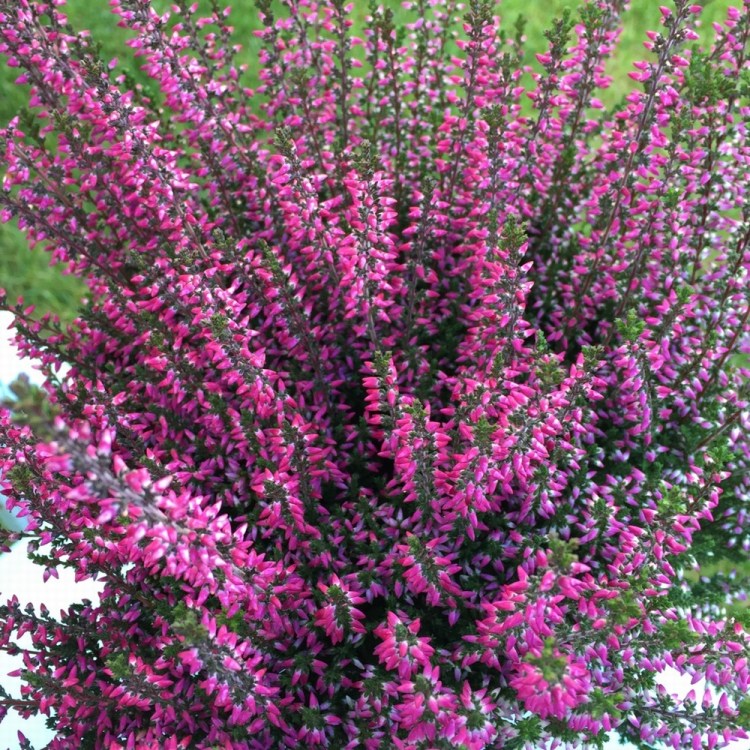
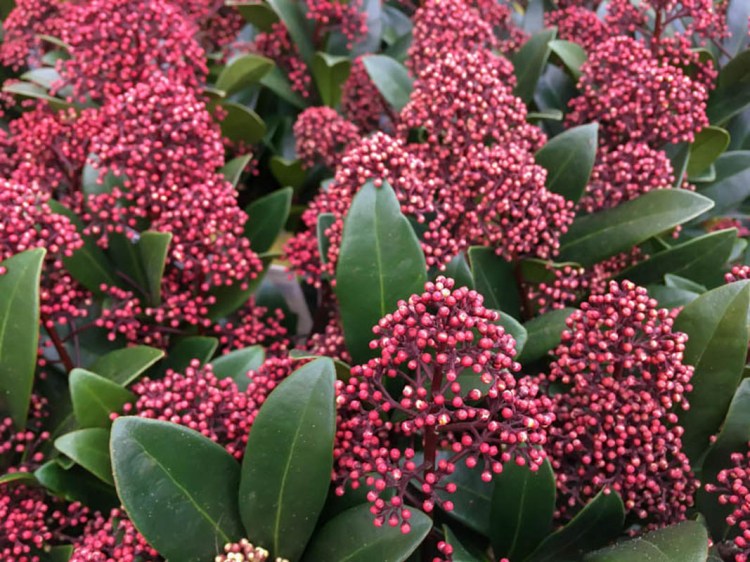
It’s not that I want to save my plants from dying—they’re doomed no matter what. Every year winter kills them, and every year after May 15, if not sooner (https://kimhaysbern.com/2022/05/23/the-end-of-the-ice-saints/), I plant new ones. The problem is that if I don’t dig the plants out of their boxes before the frost comes, I’m stuck with dying plants in rock-hard soil all winter long. With my window boxes full of summer’s dead annuals, how can I put in my winter plants—skimmia japonica, hellebores, heather, ivy, and coral bells (also called heuchera)?
If the first frost takes me by surprise and freezes my plants fast in their boxes, there are things I can do—and I’ve done them a few times already. I’ve poured boiling water onto every plant in every box and pot on the balcony, over and over, until I’ve melted the frost around the roots enough to loosen the plants from the soil. Then I yank them out one by one (with liquid mud flying everywhere, including over me). This gives me empty boxes to plant in. But not a good time!
Or I can lift each dirt-and-plant-filled window box off the balcony railings and, staggering under its weight, carry it to my kitchen, where I’ve covered the table and floor with sheets of plastic. There, I leave the boxes scattered wherever I can fit them until the warmth of the room has thawed the dirt. Then there’s a repeat of the yanking process, assisted by a trowel. This time, it’s not mud sailing through the air but large clumps of earth, which land on unprotected walls and in corners where there’s no plastic sheeting. Before I can begin cleaning it all up, I have to find a way to carry all those plants out of the kitchen without shedding dirt in the rest of the apartment and on the staircase.
There’s no frost predicted this Saturday afternoon—in fact, it’s going to be in the fifties. It’s also not supposed to rain until late that evening. So I already know that Saturday I’ll be out on the balcony in a thick smock and gardening gloves, with a trowel and a big pair of garden shears, pulling up still-flowering plants. To keep the hours-long job from becoming too repetitive, I’ll listen to an audiobook while I’m doing it—perhaps I’ll start the new Louise Penny mystery. I’ll also pull our house’s green garbage container, which is on wheels, along the side of the house from its usual place in our driveway to a special spot right under my balcony. I’ll make sure the container is sitting on the biggest tarp I have. Then, as I free each plant from its box, I’ll toss it down from the balcony into the container.
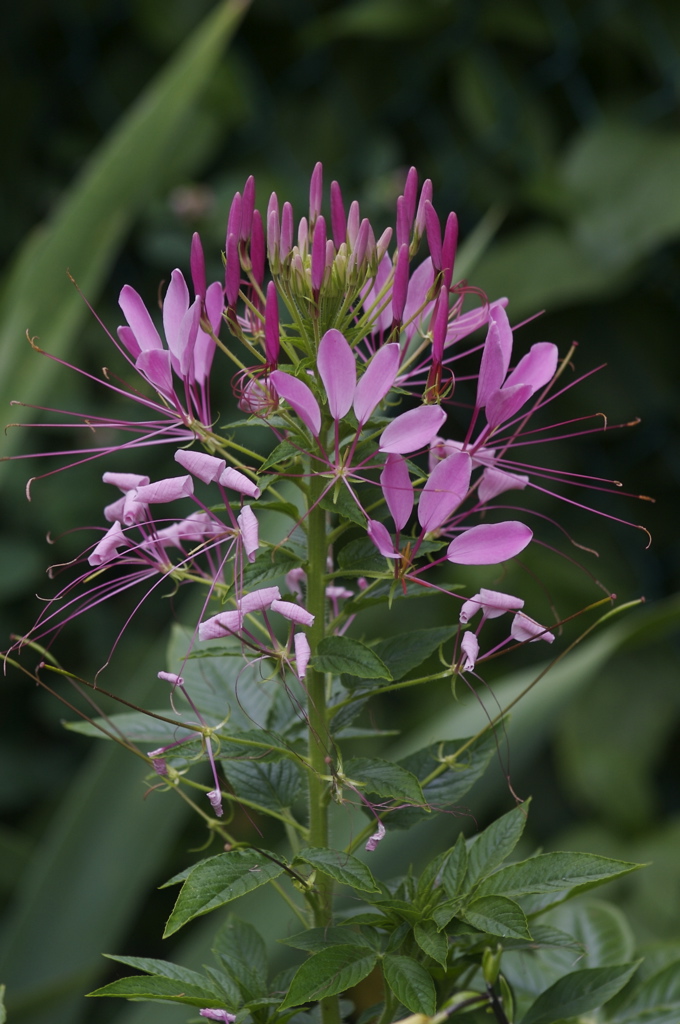
Sometimes I send a plant in a perfect arc right into the middle of the container. Sometimes I miss the container, and the plant lands with a splat on the plastic tarp. Occasionally, I miss both the container and the tarp, dirtying my downstairs neighbors’ flower bed and neat gravel path with soil and bits of broken plant. All in all, I make quite a mess. Over the years, though, I’ve decided that the fun I have trying to throw the plants into the green wheely bin is worth the nuisance of cleaning the gravel path and its surroundings afterward.
If Saturday goes as planned, I’ll spend Sunday afternoon planting my winter balcony. It’s always a rather dull display, although the hellebores sometimes flower nicely. In April, the skimmia buds will open. Soon afterward, in May, I’ll plant colorful annuals, and the cycle will begin again.
So, that’s how I celebrate the changing of the seasons in my tiny, second-floor garden.
What about you?
 Kim Hays
I love your balcony, such a riot of beautiful colours, informal and lush. I cut everything down, squeeze in spring bulbs, layer with pansies and hope for the best. Salvias and Indian marigolds surprisingly came back this year and I hope the dahlias don’t rot, so that the summer pots will only need a bit of pimping. Well done on the aiming on the trashcan from above – you could have been a (basketball) contender 😁
LikeLike
I’ve never tried planting pansies in the fall, because I find it hard to believe that such tender-looking flowers can weather the winter. But I know lots of gardeners have success, so I should try it some year. I, too, hope your dahlias don’t rot in their pots. As for my basketball skills (from above), I think I’m still trying to make up for being such a terrible player in high school gym class.
LikeLike
We need some pictures of your balcony garden when it’s at its best next year! My garden is kind of a mess right now, too. Fortunately, most of it can wait until spring to work on.
LikeLiked by 1 person
Luckily, no one expects a garden to be lovely in November!
LikeLike