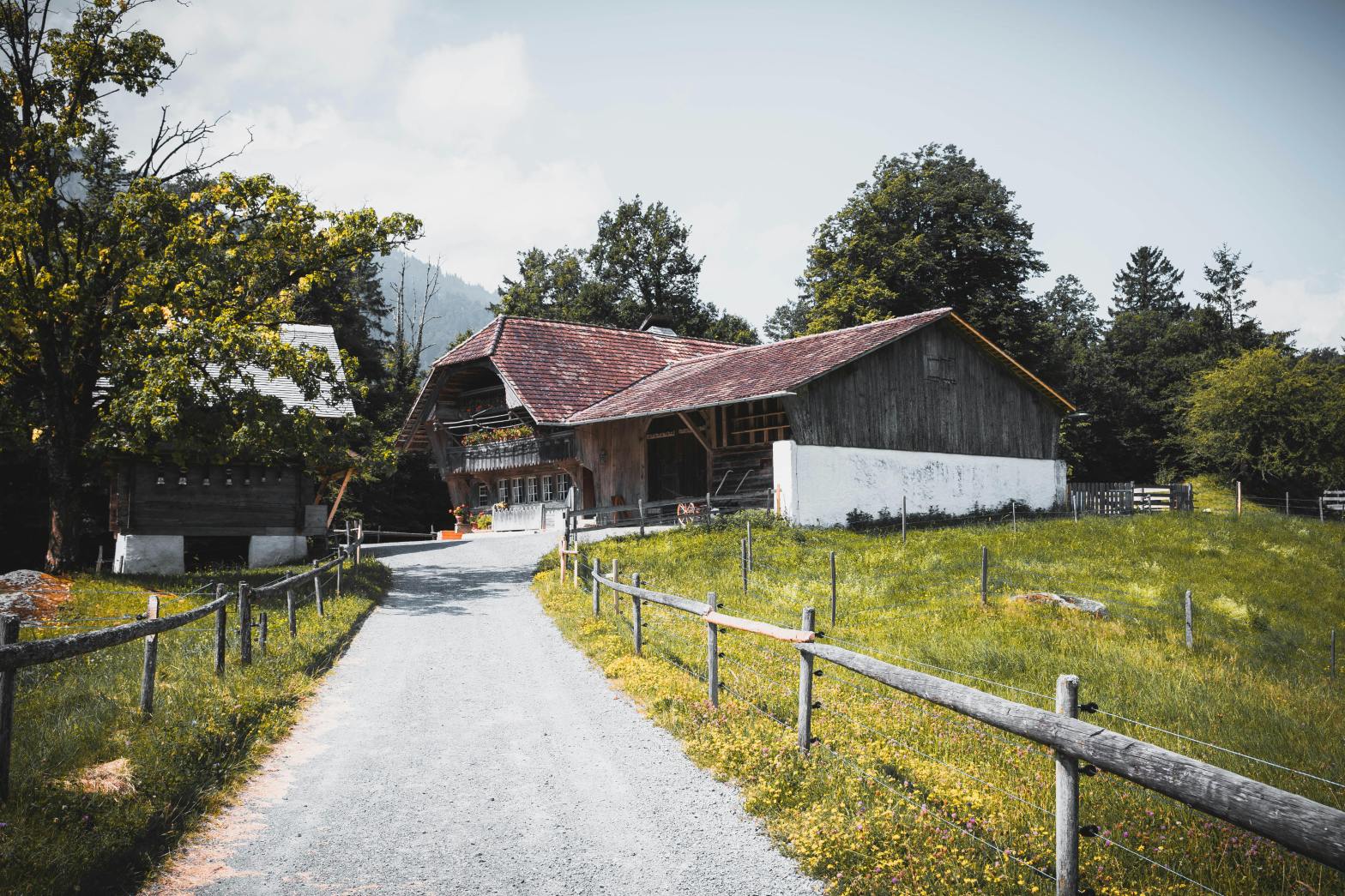
Soon after I moved to Bern in 1988 as the young wife of a Swiss man, I met a delightful American woman named Margaret, who had been the young wife of a Swiss man in the 1930s. She’d married a farmer, and when we spoke, she was still living in a Bernese farmhouse. I was fascinated by her tales of her life as a farmer’s wife. The story I remember best is her description of washday.
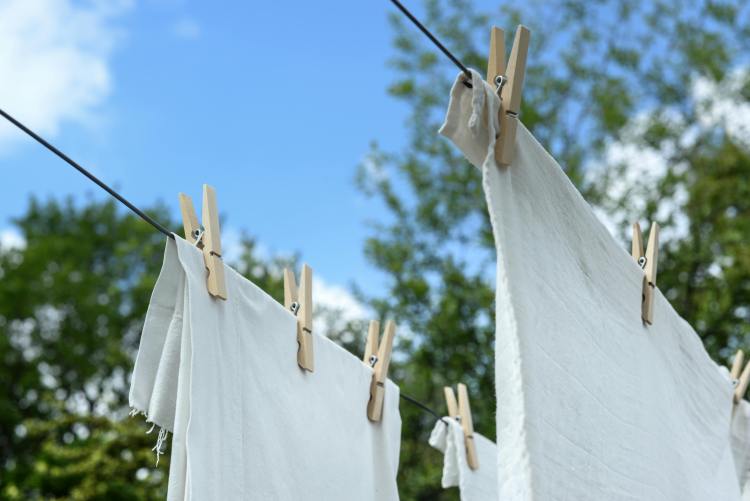
Washing machines didn’t become part of most rural Swiss lives until after the Second World War. Instead, families who could afford it hired a traveling washerwoman to help with the enormous task of doing laundry. Margaret was lucky to have a woman who showed up at the farmhouse every six weeks and stayed there for four or five days to help her clean her household’s mountains of clothes, sheets, and towels. First, everything was soaked overnight in cold water, then most of it was scrubbed on a washboard and run through a mangle to remove the cold, dirty water. After that, it was boiled with soap in copper or iron cauldrons, where it was stirred and pounded with a heavy wooden paddle. Once the clean laundry had been rinsed and wrung out or run through the mangle again, it was hung on lines, draped over bushes, or spread on the grass to dry. If it was too cold or wet for outside drying, the wet laundry was hung in the attic. When it was dry, there was still the ironing to do.
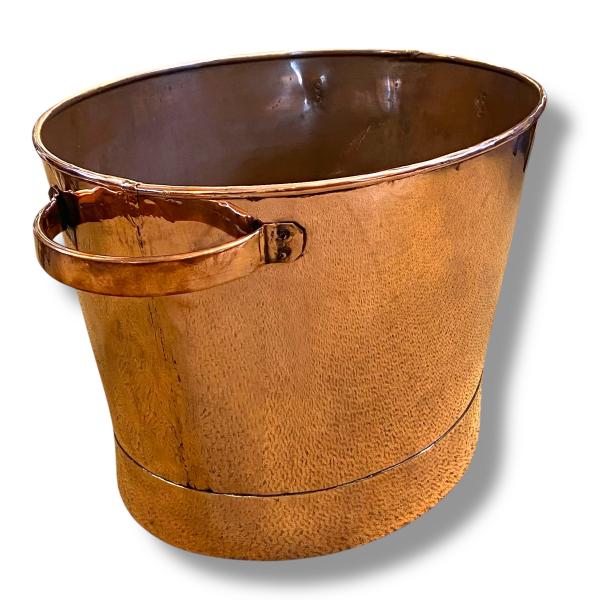
I’m sure there were plenty of rural American families in the 1930s who did their laundry this way. Still, in my mind, boiling laundry outdoors in coppers has become associated with Switzerland. But luckily not my Switzerland. The apartment house where Peter and I lived when we were first married had a laundry room in the basement with a washing machine and clotheslines (no dryer, though). I was assigned one half-day a week to wash and dry my clothes. Since I had spent the previous ten years taking my laundry to a laundromat, I had no complaints.
When our son was five months old, we moved to an apartment building with only four units instead of six, one apartment per floor, and I had a full day to wash my clothes. Our new basement laundry room had a dryer, and because there were only four families in the building, the three extra days of the week were first-come, first-served or negotiable. I thought it was a great system. Today, I still live in this much-loved apartment and share a washer and dryer with the other three families in my building. Quite a few apartment dwellers I know in Bern have had stacked washer-dryer units installed in their homes, but I never saw the point.
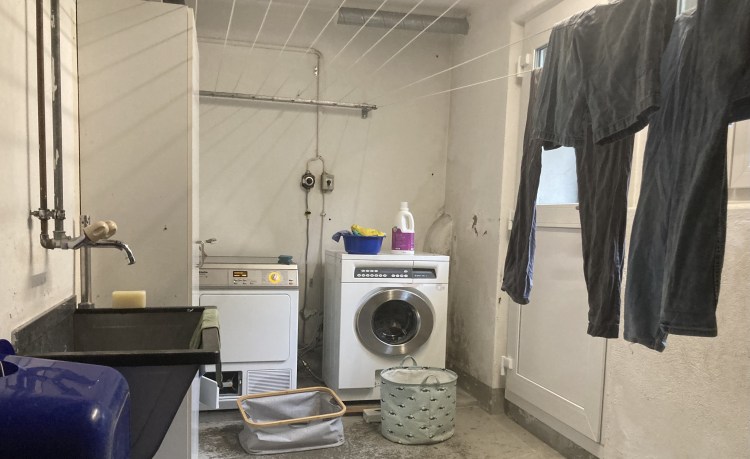
Having had only one child, a flexible work schedule, and very accommodating neighbors, it has been much easier for me to share a washer and dryer than it would be for most people. Because I’ve tried during the past ten years to live a (slightly) more climate-friendly life, I’ve been grateful that having only one washday a week has made it impossible for me to run small washes whenever I feel like it. I try to use the dryer as little as possible, since I have a large drying rack in my office and clotheslines in the basement. But I’ll never manage to wean myself off our dryer completely.
 Kim Hays
Interesting, Kim! Laundry without washing machines and dryers definitely used to be a MAJOR chore. Sounds like you have a great system now. I’m in a six-unit apartment building with one washer and dryer in the basement, and those machines are usually enough for everyone to do their laundry.
LikeLiked by 1 person
So you have the same laundry system I do, Dave. I’m glad it works for six apartments, too. Nice not to have to boil and pound our sheets, isn’t it?!
LikeLike
It’s astonishing to think of all that domestic labor, and across the world. My grandmother in a country town in the southwest of Australia had a shed near her house dedicated to “doing the washing” every Monday. From the ’20s to the ’40s that was a complicated, labor-intensive production line involving, at least, boilers, scrubbing boards, “bluing,” (for whites), bleaching, rinsing, line-drying, ironing, and folding for a number of loads. I remember the shed from the 60s and 70s: it was still full of all the complicated apparatus of boilers, scrubbing boards, etc, but an antique-appearing washing machine was in use by that time.
My large apartment building of 420 apartments has a refreshing, spotless laundry of dozens of washers, dryers, trolleys, and folding benches. It’s easy and sociable. When someone illicitly used a washer and dryer in their apartment, it blew a glass window into the pool– very unpopular. But I know some couples who’ve refused apartments without their own washer and dryer, recalling youthful memories of traipsing to laundromats.
LikeLiked by 1 person
Lyn, thanks for sharing your memories of your grandmother’s washing shed. It sounds exactly like what my friend Margaret described, except that your grandmother didn’t have the help of a paid washerwoman. She also didn’t wait six weeks for clean clothes! No one has enough socks and underpants for six weeks; Margaret must have washed those items more often.
I’m glad your apartment building’s laundry room is so pleasant.
LikeLike