
In my January 2024 blog post, I called Ann Patchett’s Tom Lake (2023) “a joyful novel” and included it in a list of my favorite books for 2024. This weekend I’ve just finished Patchett’s Whistler (2026), another novel that introduces us to loving and lovable characters working to resolve questions about their pasts that I savored from beginning to end. And I’m not the only reader who was delighted by it: the book debuted at #1 on the New York Times bestseller list and has been on it for 13 weeks, currently at #4. “Is there a place in serious literature for kind, happy characters and kind, happy stories?” asked the book’s reviewer in the New York Times. “This intimate and entertaining novel makes the strong case that there is.”
The question is valid because serious literature is supposed to be full of serious problems. Many believe that even the happy ending of a serious literary novel should leave us unsettled. Our sense of satisfaction should be tinged with poignancy or even grief because of all the concerns the characters were forced to leave unresolved—or all the time they wasted suffering before they could confront and unravel their moral dilemmas.
How does Whistler meet this test?
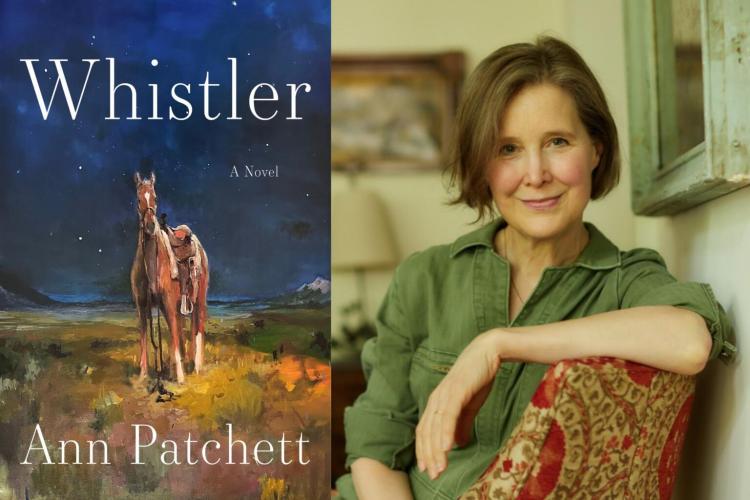
At the heart of Whistler are two people: Daphne Fuller, a 53-year-old New York City teacher at a private girls’ school, and 76-year-old Eddie Triplett, who has edited books at a well-known publishing house for years. Eddie was Daphne’s stepfather for about a year before her mother divorced him when Daphne was almost 10, for reasons that Daphne has never understood. At the start of the book, Daphne and Eddie meet by chance at the Metropolitan Museum of Art for the first time in 43 years, and they realize how much they have missed each other. The rest of the book is about Daphne—and us, the readers—coming to understand more about their relationship and learning why Daphne’s mother left Eddie.
Other characters in the story play important roles, including Daphne’s younger sister, Leda, a psychotherapist who also remembers Eddie with affection; the girls’ mother, Abigail, a former book publicist who is currently on her third husband; and Daphne’s husband, Jonathan, a 70-year-old retired hospital administrator whose mother has just died. Everyone is upper-middle-class, sophisticated, well-educated, stable, and—except for Leda’s husband Steve Ha—white. Not every reader is happy about this, including the Guardian’s reviewer.
“Whistler is top-shelf comfort food,” she writes. “We almost care about these vanilla-bean people. Their floral arrangements; their silk blouses; their dinky sailboats.” In the world this book creates, even “calamity has good manners.”
I had no trouble caring very much about these people. Like the Publishers Weekly reviewer, who is also a fan of Tom Lake, I think Patchett has written “another perfectly executed and quietly profound family drama.” Whistler left me moved but not troubled, thoughtful but not unsettled. Does this mean it isn’t serious literature? I think it is. Read it and see what you think!
There’s a horse on the cover of the book; that’s Whistler. You might assume that one of the characters rides, as I did, but you’d be wrong. The horse features in a true story Eddie tells Daphne as a child that is deeply significant to her. It is a powerful story, but what role it plays in communicating the book’s message about the importance of love and courage is open to interpretation.
Please share your own thoughts about Whistler when or if you’ve read it!
The cover of Ann Pratchett’s new book is from Harper, and her photograph was taken by Emily Dorio.


Excellent post, Kim! I’ve read Ann Patchett’s “Bel Canto” (not happy but very compelling) and should read another novel of hers. 🙂
LikeLike
Thanks, Dave. I know how hard it is to add yet another TBR book to the list, but I think you’d enjoy TOM LAKE or WHISTLER.
LikeLiked by 1 person
I look very forward to reading it, from your description. Thanks!
LikeLike
You’re welcome. Either this one or TOM LAKE!
LikeLike