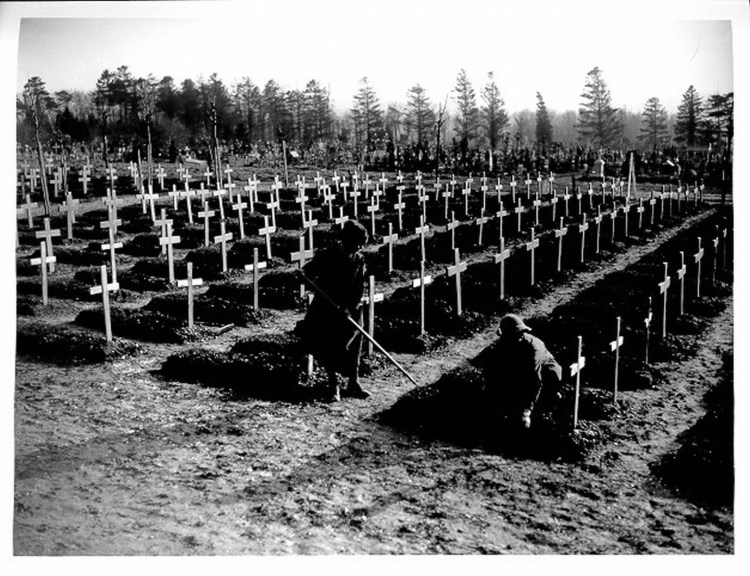
November 11, called Armistice Day or Remembrance Day, was dedicated to those who died in World War I. In the UK and some of its former colonies, it still is. In the US, Congress renamed it Veterans Day in 1954 to honor fallen WWI and II military personnel and all US veterans, living and dead. Either way, it’s a serious day of ceremony.
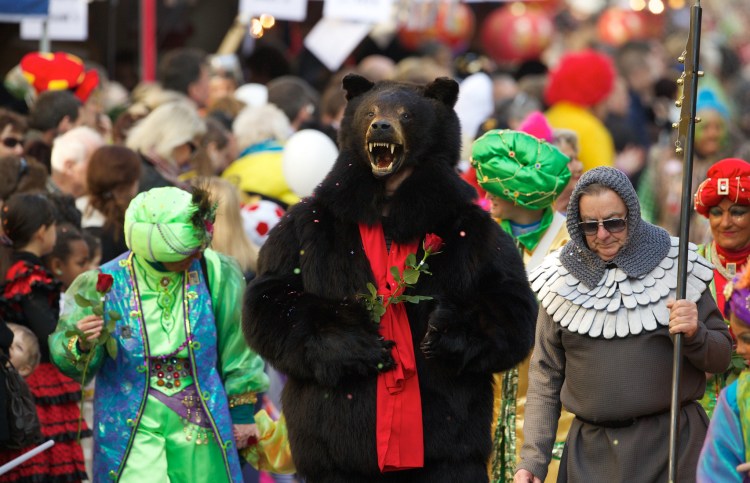
Incongruously, November 11 at 11:11 a.m. is also a time for silliness because, in Switzerland, Germany, the Netherlands, and Austria, it’s when people celebrate the start of Carnival. In the Old Town of Bern, for example, a crowd gathers each year at the foot of the Käfigturm or “Prison Tower,” where Bern’s bear mascot (in this case, someone in a bear costume!), is ceremoniously locked away to hibernate until the Thursday after Ash Wednesday, the day that Bern begins its Carnival. (The standard Catholic Carnival begins on the Thursday before Ash Wednesday—called Fat Thursday because it’s the last day to eat rich food, especially meat, before Lent.)
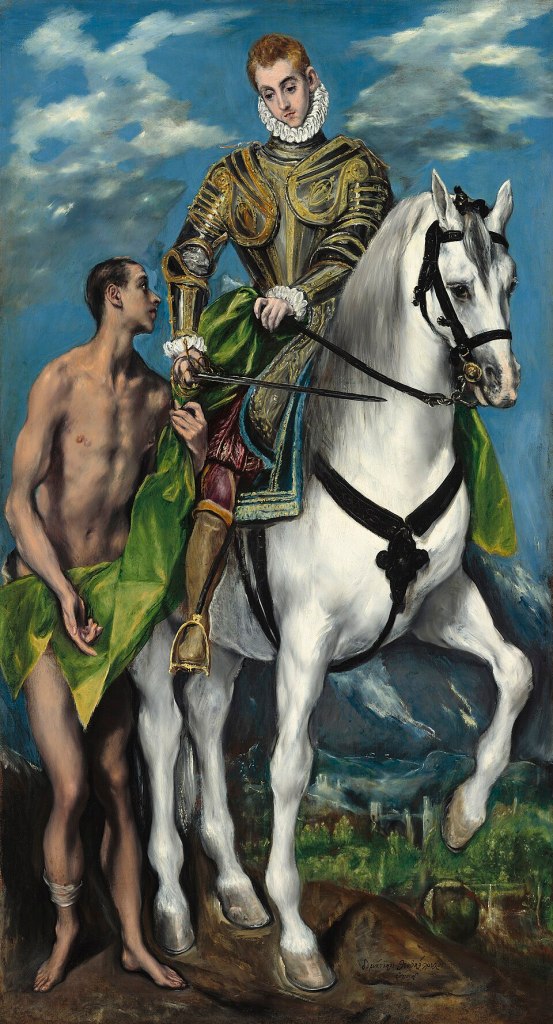
November 11 is also Saint Martin’s Day. In art, St. Martin of Tours is portrayed as an armored man on a horse, trying to cut his warm cloak in two with his sword to give half to the all-but-naked beggar at his feet. The story goes that this young, fourth-century Roman soldier was already considering becoming a Christian when he shared his cloak with the beggar. That night, after his charitable deed, he dreamed of Christ wrapped in his cloak-half, which led him to convert. In most legends of the early saints, conversion to Christianity is shortly followed by some ghastly martyrdom, but not in Martin’s case. For a few years, he remained a soldier serving in Gaul, before deciding that fighting for the Romans was incompatible with being a good Christian. He went on to live first as a hermit and then as a monk, but was eventually persuaded in 371 to become the Bishop of Tours, which he remained until his death in 397.
Saint Martin’s Day is associated with the end of harvest and beginning of preparations for winter. By mid-November, fodder for animals is growing scarce, and it is cold enough for meat to be safely handled and prepared for salting, drying, smoking, or pickling. So Saint Martin’s Day became the traditional time for slaughtering, especially cattle, pigs, and geese. In medieval England, this freshly butchered beef was called Martlemas beef, from “Martin’s Mass,” and families in German-speaking and Eastern European countries traditionally ate a roasted Martin’s goose with red cabbage and dumplings to mark the saint’s day. Some still do.

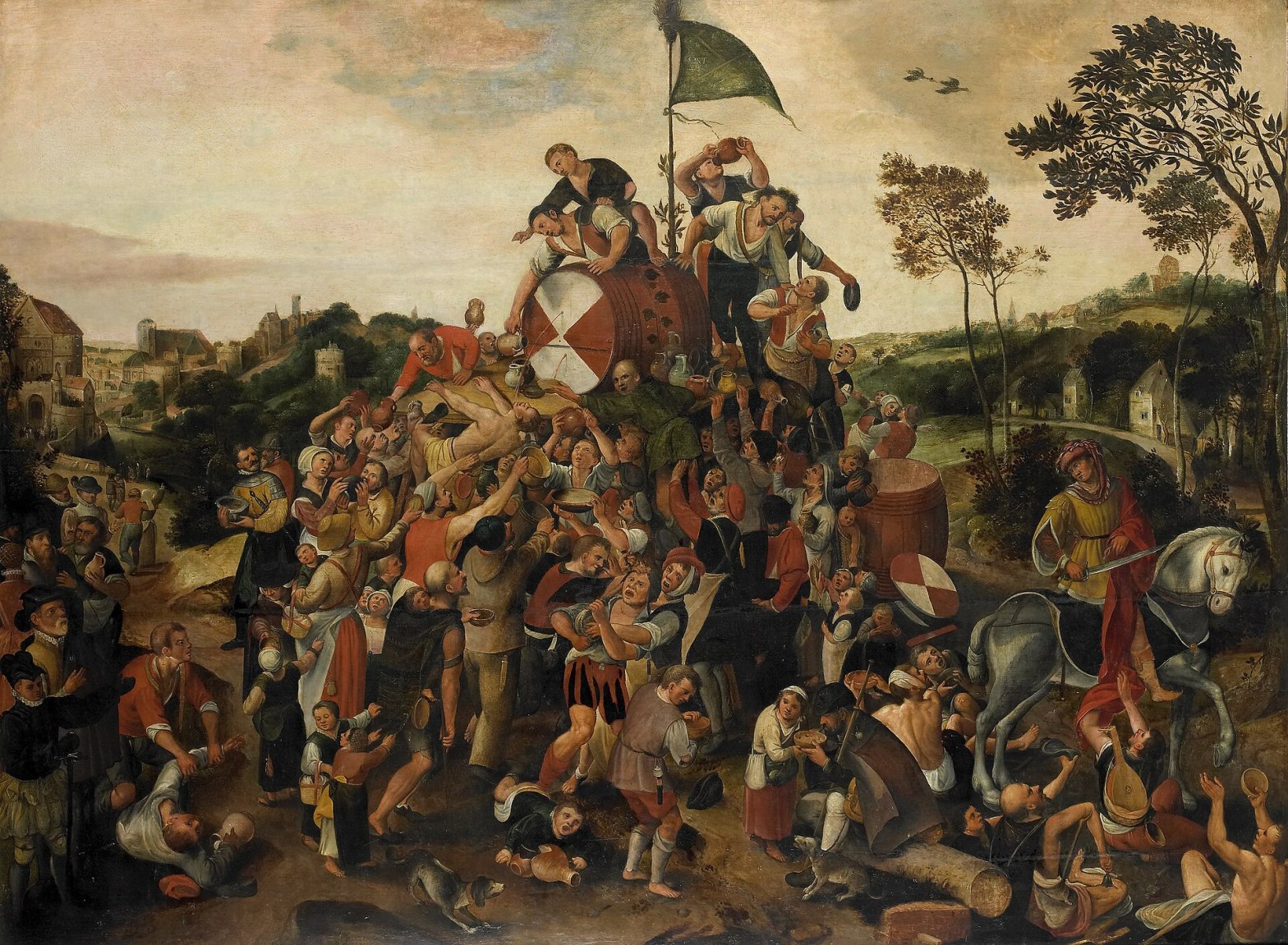
Saint Martin’s Day is also when the new wine, which (depending on the date of the local grape harvest) has only been fermenting for six to eight weeks, is first tasted. Maybe that is why Martin is the patron saint of winemakers, as well as soldiers, beggars, and (thanks, perhaps, to the elegant way he sliced his cloak apart) tailors! Peter Blaten’s sixteenth century painting, which opens this blog post, suggests that in parts of the Netherlands, whole villages must have spent Saint Martin’s Day drunk on new wine! (Note the saint on horseback in the righthand corner of the painting, splitting his cloak.)
What I associate with Saint Martin Day is large purple-topped turnips, used to create Switzerland’s version of Jack O’Lanterns. During my son Tommy’s first year of kindergarten, I learned that we mothers were expected to carve a lantern out of one of these turnips. Our children would carry their candle-lit lanterns, cradled in a nest of twine, in a procession around the neighborhood, dangling their turnips in front of them as they walked. The trick was not to carve all the way through the turnip, since the wind might then blow out the candle flame, but to scrape the flesh away in an interesting pattern through which the candlelight could shine. Tommy requested a rocket on his turnip. All he got was a wobbly star. That was the best I could do, even with help from my downstairs neighbor, who was on her third kindergarten-aged child by then.

It has been decades since I made a turnip lantern, and this year Saint Martin’s Day passed by without my noticing. Then, just yesterday, I saw some giant turnips at the grocery store, and it all came back to me. So I decided to share my memories!
All the photos are from Wiki Commons, except for the roast goose leg, which I found on the “Cook like Czechs” website.


Very interesting! I used to religiously, carve a pumpkin every Halloween and haven’t done it for a while. Maybe I will try a turnip for Saint Martin’s Day!
LikeLiked by 1 person
I think the kind of large, white-and-purple turnip I’m talking about is called a rutabaga in the US. So you can carve yourself a rutabaga!
LikeLike
I LOVE this! All your cultural/historical posts are so informative and charming! Love the story about the turnip lanterns. St Martin does not go unappreciated!
LikeLike